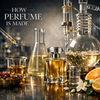
how perfume is made

how perfume is made

4 min reading time

How Perfume Is Made: A Simple Guide From a Fragrance Expert

Have you ever wondered how your favorite perfume comes to life? The art of making perfume is a beautiful blend of science, creativity, and nature. As a fragrance enthusiast, I love sharing how this magical process unfolds—from selecting raw ingredients to the final spray you enjoy. Whether you’re curious about the basics or thinking about creating your own scent someday, this guide will walk you through the fascinating journey of how perfume is made.

The Basics: What Is Perfume Made Of?

At its core, perfume is a mixture of fragrant essential oils, aroma compounds, and solvents. The main components include:

  • Essential Oils and Aroma Compounds: These provide the scent and can come from flowers, fruits, spices, woods, and even synthetic sources.
  • Solvents: Usually alcohol, which helps dissolve the oils and allows the scent to spread when sprayed.
  • Fixatives: Ingredients that help the fragrance last longer on your skin.

Step 1: Sourcing the Ingredients

The journey begins with choosing the right raw materials. Perfume makers, called perfumers or "noses," source ingredients from all over the world. Here’s what they look for:

  • Natural extracts: These include essential oils from flowers like rose, jasmine, or lavender; citrus fruits like bergamot or lemon; spices such as cinnamon or vanilla; and woods like sandalwood or cedar.
  • Synthetic molecules: Created in labs, these help replicate natural scents or introduce new ones not found in nature. They also help make perfumes more affordable and stable.
  • Fixatives and solvents: High-quality alcohol is typically used as a solvent, and natural or synthetic fixatives help the fragrance last longer on skin.

Quality matters a lot here—only the best ingredients can produce a perfume with depth and complexity.

Step 2: Creating the Fragrance Blend

This is where the magic happens. The perfumer carefully combines various oils and aroma molecules to create a harmonious scent. The process involves:

  • Top notes: These are the first scents you smell, usually fresh and light, like citrus or herbs.
  • Heart notes: Also called middle notes, they form the body of the perfume and often include florals or spices.
  • Base notes: These linger the longest and add depth, such as woods, musk, or vanilla.

The perfumer experiments with different proportions, creating many small batches to find the perfect balance. This creative process can take weeks or even months.

Step 3: Aging the Perfume

Once the blend is finalized, the perfume mixture is left to mature. Aging allows the ingredients to fully combine, mellowing harsh edges and enhancing the overall scent. This step involves:

  • Storing the mixture in stainless steel or glass containers.
  • Keeping it in a cool, dark place for several weeks or months.
  • Occasionally testing the scent to determine when it has reached the desired maturity.

This patient stage is crucial for creating a well-rounded fragrance.

Step 4: Dilution and Bottling

After aging, the concentrated perfume oil is diluted with alcohol and sometimes water to create different perfume strengths:

  • Parfum (Extrait): The strongest concentration, usually 20-30% fragrance oil.
  • Eau de Parfum (EDP): Slightly lighter, around 15-20% fragrance oil.
  • Eau de Toilette (EDT): Even lighter, about 5-15% fragrance oil.
  • Eau de Cologne: The lightest, typically 2-5% fragrance oil.

The mixture is then filtered to remove any impurities and carefully bottled. Packaging varies from simple glass bottles to elaborate designs, depending on the brand and target market.

Quality Control and Final Touches

Before perfumes reach store shelves, they undergo strict quality checks:

  • Scent consistency tests to ensure every bottle smells the same.
  • Stability tests to confirm the fragrance does not change over time.
  • Packaging inspections to guarantee durability and presentation standards.

Why Understanding How Perfume Is Made Matters

Knowing how perfume is made helps you appreciate the artistry behind each scent. It also guides you in selecting perfumes that suit your preferences and lifestyle. Whether you prefer natural floral scents or modern synthetic blends, understanding the process can deepen your love for fragrance.

If you’re interested in exploring authentic and original perfumes crafted with care, check out the curated selection at CologneCart.com. It’s a great place to discover quality fragrances from trusted brands.

Quick Tips for Choosing and Caring for Your Perfume

  • Test perfumes on your skin, not just on paper strips, as body chemistry affects scent.
  • Store your perfume in a cool, dark place to preserve its quality.
  • Apply perfume to pulse points like wrists and neck for better diffusion.
  • Don't rub your wrists together after applying perfume; it can break down the scent molecules.

Perfume making is truly a fascinating blend of nature, chemistry, and creativity. Next time you spray your favorite scent, you’ll know the incredible journey it took to reach you.


Blog posts

  • how perfume is made

    , by CologneCart Team how perfume is made

  • why perfume so expensive

    , by CologneCart Team why perfume so expensive

  • where to spray perfume

    , by CologneCart Team where to spray perfume

© 2026 Colognecart, Powered by Excelpha

    • Amazon
    • American Express
    • Apple Pay
    • Diners Club
    • Discover
    • Google Pay
    • Mastercard
    • PayPal
    • Shop Pay
    • Visa

    Login

    Forgot your password?

    Don't have an account yet?
    Create account